A home’s appeal is shaped not only by what is inside the property but also by what residents can access beyond their front door. Nearby lifestyle attractions such as shopping centres, restaurants, cafés, parks, entertainment venues, cultural destinations, and recreational facilities can make a neighbourhood more convenient and enjoyable. In Singapore, where different districts offer distinct combinations of urban amenities and residential environments, proximity to lifestyle attractions can influence both day-to-day satisfaction and the broader appeal of a property.
Convenience Extends Beyond Essential Services
Lifestyle attractions can complement essential amenities by giving residents more choices for leisure and social activities. Having restaurants, cafés, shopping destinations, and recreational venues nearby can reduce the need for lengthy journeys during evenings and weekends.
This convenience can be particularly valuable for households with busy schedules. Residents may be able to have dinner, meet friends, or complete some shopping close to home instead of travelling across the city.
Dining Options Enrich Everyday Living
A variety of restaurants and cafés can add character to a residential neighbourhood. Different dining options allow residents to choose between casual meals, family dining, takeaway options, and more social occasions.
The value of nearby dining is not simply about having more restaurants. Variety, quality, accessibility, and opening hours can all influence how useful these options are. Buyers should explore the surrounding area to understand what is actually available rather than relying solely on advertised descriptions.
Shopping Adds Practical and Lifestyle Value
Shopping destinations can serve both everyday and recreational purposes. Supermarkets and convenience stores support routine household needs, while larger shopping centres may provide fashion, dining, entertainment, and personal services.
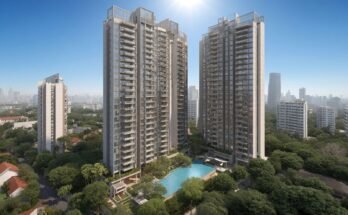
Having these options within reasonable reach can make a location more convenient for different household members. Developments such as The Serra Residences demonstrate why buyers may consider surrounding amenities alongside the features offered within a residential development.
Parks and Recreation Provide Opportunities to Unwind
Lifestyle appeal is not limited to commercial destinations. Parks, gardens, sports facilities, walking paths, and recreational spaces can give residents opportunities to exercise and relax.
Access to green and open spaces can be particularly useful for families, older residents, and people who enjoy outdoor activities. A nearby park may become part of a regular morning walk, evening routine, or weekend family outing.
Entertainment Can Strengthen Weekend Convenience
Cinemas, cultural venues, attractions, and other entertainment destinations can provide residents with more ways to spend their leisure time. Having a selection of activities nearby can reduce the need for extensive travel when planning social or family outings.
This can also contribute to the overall character of a neighbourhood. Areas with a diverse range of attractions may appeal to residents who prefer an active lifestyle and enjoy having multiple options available.
Lifestyle Attractions Can Support Social Interaction
Neighbourhood attractions often create opportunities for residents to spend time outside their homes. Cafés, restaurants, parks, community spaces, and recreational facilities can become informal meeting places for friends, neighbours, and family members.
This can contribute to a stronger sense of connection with the surrounding neighbourhood. Residents are not limited to the communal facilities within their own development and can participate in a wider local lifestyle.
Walkable Attractions Can Be Especially Valuable
The distance to an attraction matters, but the quality of the journey matters too. A destination that is technically nearby may be less useful if the route is difficult or uncomfortable for pedestrians.
Safe crossings, shaded walkways, continuous pavements, and good connectivity can make nearby attractions genuinely accessible. Buyers should consider walking routes during a property visit to determine whether locations advertised as “nearby” are practical for everyday use.
Attractions Can Complement Residential Facilities
A condominium may offer swimming pools, gyms, gardens, lounges, and other amenities, but residents can benefit from having additional options in the surrounding neighbourhood.
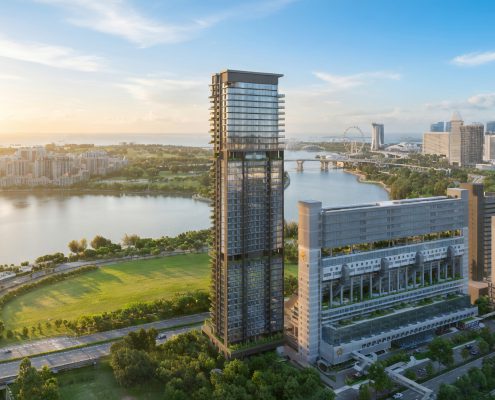
Projects such as Dunearn Green highlight why the relationship between internal residential facilities and the wider area can be important. A development with good facilities can become even more attractive when residents also have access to established lifestyle destinations nearby.
Different Households Value Different Attractions
Lifestyle preferences vary considerably between households. Young professionals may prioritise cafés, restaurants, fitness studios, and entertainment, while families may place greater emphasis on parks, shopping, childcare, and recreational facilities.
Older residents may value quiet green spaces, healthcare services, and convenient shopping. Buyers should therefore identify which attractions are genuinely relevant to their household instead of judging a location based on the number of amenities alone.
Established Attractions Can Add Neighbourhood Identity
Popular local destinations can contribute to a district’s identity and attractiveness. A neighbourhood with established dining, shopping, recreational, or cultural options may feel more vibrant and recognisable than an area where amenities are still being developed.
For homeowners, this can create a stronger connection to the surrounding community. For investors, an attractive lifestyle environment may also broaden the potential appeal of a property to future buyers or tenants, although market performance will depend on many other factors.
Future Developments Should Be Evaluated Carefully
Lifestyle environments can change over time. New shopping centres, parks, recreational facilities, transport links, and commercial developments may enhance a neighbourhood, while construction can temporarily affect traffic and noise.
Homebuyers should distinguish confirmed projects from speculation and consider the current neighbourhood on its own merits. Future improvements can be a useful additional consideration, but a property should not depend entirely on uncertain plans to justify its appeal.
Choosing a Location With Lifestyle in Mind
Nearby lifestyle attractions can enhance residential appeal by making leisure, dining, shopping, recreation, and social activities more accessible. Their value comes from how naturally they fit into residents’ everyday routines.
When evaluating a property, buyers should look beyond the development’s facilities and explore the surrounding neighbourhood. Consider what can be reached on foot, how convenient transport connections are, and whether the available attractions match the household’s lifestyle.
A well-located home can offer more than a comfortable private space. It can provide access to a broader environment that supports relaxation, social interaction, recreation, and everyday convenience. For many buyers, that wider lifestyle experience can be an important part of what makes a residential property genuinely appealing.