A Singapore property search does not have to stop at the boundaries of a condominium development. The surrounding district can change gradually as new businesses appear, older buildings are redeveloped and transport or public spaces evolve.
For prospective homeowners, understanding this broader context can make property research more meaningful.
The important distinction is between confirmed developments and speculation. Buyers can investigate publicly available planning information, while treating predictions about future prices or demand with appropriate caution.
Look at the Area as a Whole
A condominium forms only one part of its surrounding district.
Nearby residential projects, commercial buildings, schools, parks, roads and retail destinations can all contribute to the character of an area.
This wider perspective can help buyers understand why two properties with similar apartment specifications may offer different neighbourhood experiences.
It also encourages research beyond marketing materials.
Established Areas Have Layers of History
Some Singapore neighbourhoods have developed gradually over many years.
Older buildings may sit alongside recently completed projects, creating a mixture of architectural styles and land uses.
This can be useful for buyers who want to understand how a district has evolved.
The history of an area can also explain why certain amenities, roads or commercial clusters are located where they are today.
River Opus and the Evolution of River Valley
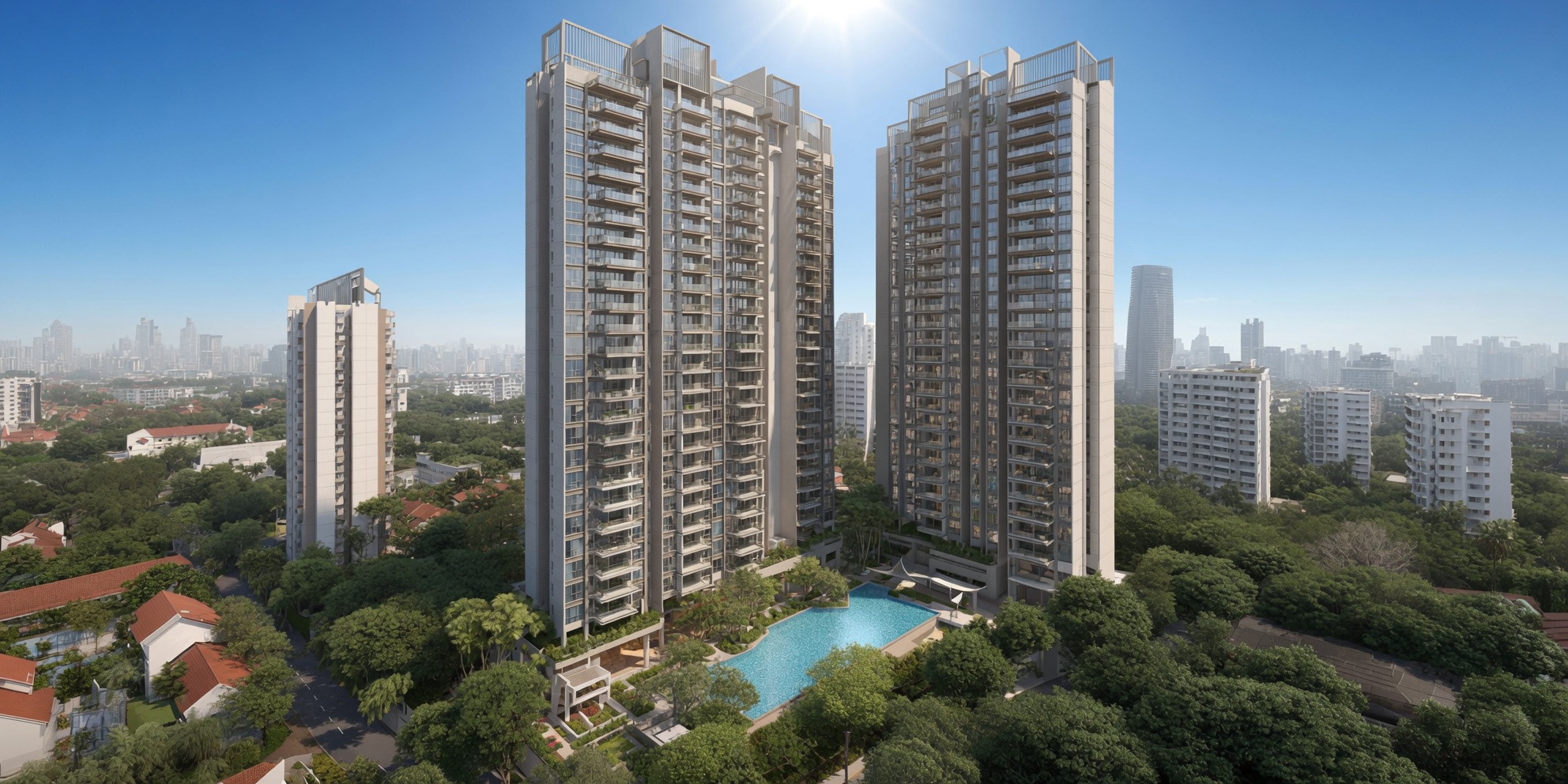
River Opus is located in River Valley, a district with an established residential and lifestyle identity.
The development occupies the former Valley Point site, adding a new residential chapter to a location that previously included Fraser Suites and the Valley Point retail podium.
For property researchers, this provides an interesting example of how a site can change use while remaining part of an established neighbourhood.
The surrounding River Valley environment can therefore be considered alongside the development itself.
Redevelopment Can Alter Local Activity
When an existing site is redeveloped, the surrounding area may experience changes in activity.
New residents can increase demand for nearby services, while new commercial uses can introduce different patterns of movement.
However, the precise effects depend on many factors.
Buyers should therefore avoid assuming that every redevelopment will produce a particular outcome.
Instead, they can examine the confirmed plans and consider how those changes relate to their own requirements.
One Chuan Grove and the Chuan Grove Setting
One Chuan Grove is situated in the Chuan Grove area, where prospective residents can research the existing neighbourhood as part of their property assessment.
Looking at the broader surroundings can reveal information that a development brochure cannot provide.
Buyers can explore nearby streets, identify established amenities and observe how the residential environment connects with the rest of the district.
This is particularly helpful when comparing several addresses.
Planning Information Requires Careful Reading
Singapore property discussions often mention future infrastructure and planned developments.
Such information should be checked against authoritative sources.
A proposal, an announced project and a completed facility are not the same thing.
Buyers should identify the status of any future development before incorporating it into their property research.
This simple distinction can prevent assumptions from becoming part of a purchase decision.
Existing Amenities Still Matter
Future plans can attract attention, but current facilities should not be ignored.
A buyer can examine the amenities that already serve the neighbourhood.
These may include shopping centres, food outlets, healthcare services, schools, parks and transport connections.
Existing infrastructure provides tangible information about how the area functions today.
Observe How People Use the District
A physical visit can reveal details that statistics cannot.
Are people walking to nearby shops? Are cafés active during the evening? Are public spaces being used?
These observations do not establish future trends, but they can help buyers understand the present character of a neighbourhood.
Visiting at different times can provide a broader picture.
Consider Different Directions of Travel
Neighbourhood change is also connected to accessibility.
A buyer can identify the destinations they regularly visit and examine how the property connects to them.
Work, education, family commitments and leisure activities may all require travel in different directions.
This is more useful than simply asking whether a property is “central.”
A location should be assessed against the resident’s actual routine.
Commercial Activity Can Be a Lifestyle Factor
The presence of restaurants, cafés and shops can influence how residents use their neighbourhood.
Some buyers appreciate having numerous choices within easy reach.
Others may prefer quieter surroundings with fewer commercial destinations.
The right balance depends on personal preference.
A buyer should therefore examine both the convenience and the activity level of the surrounding area.
Don’t Confuse Change With Improvement
Neighbourhood transformation is not automatically positive or negative for every resident.
A new development may introduce additional amenities but also bring more activity.
A new road can improve connectivity while changing local traffic patterns.
These trade-offs are why buyers should focus on concrete changes and consider how they might interact with their own lifestyle.
Compare Present Conditions With Confirmed Plans
A useful research method is to create two columns.
The first records what exists today.
The second records confirmed future changes that are relevant to the area.
This prevents possible developments from being mixed together with established amenities.
It also gives buyers a clearer picture of what they are actually purchasing into.
Avoid Relying on Property Predictions
Online property discussions frequently contain predictions about future capital appreciation, rental demand or neighbourhood transformation.
Such forecasts are uncertain.
Market conditions can change because of economic circumstances, interest rates, regulations and buyer behaviour.
Research is therefore more reliable when it begins with verifiable facts rather than expected outcomes.
Visit Before Forming an Opinion
Online research is useful for building an initial picture, but physical visits remain valuable.
A buyer can walk around the neighbourhood, inspect nearby streets and experience the environment personally.
For an established district such as River Valley, this can provide useful context about how the area operates beyond the property boundary.
The same principle applies when examining Chuan Grove.
Building a Better Property Research Process
For someone studying One Chuan Grove, examining the existing Chuan Grove neighbourhood alongside confirmed planning information can provide a broader understanding of the address.
For someone researching River Opus, looking at the history of the Valley Point site and the established River Valley surroundings adds another layer to the property investigation.
The objective is not to predict exactly how either neighbourhood will develop.
Instead, buyers can separate present facts from future possibilities, investigate changes using reliable sources and consider how the surrounding environment fits their own needs.
That approach makes neighbourhood research more grounded. Rather than buying based on a single headline feature, prospective homeowners can understand the property as part of a much larger and continually evolving Singapore urban landscape.