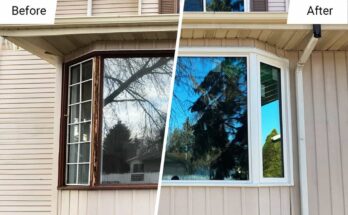
Choosing the right siding contractor can make or break your home renovation project. Siding not only protects your home from the elements but also boosts curb appeal and adds long-term value. With so many contractors out there, it’s essential to know how to pick one who’s reliable, skilled, and transparent. This guide will walk you through every step, from research to final installation.
Read Also: garage doors
1. Understand Your Siding Needs
Before you hire anyone, define what you want for your home:
- Material: Vinyl, fiber cement, wood, or metal. Each has its pros and cons in terms of durability, maintenance, and cost.
- Style: Clapboard, shingles, panels, or board-and-batten—pick a look that complements your home.
- Budget: Determine a realistic budget including materials, labor, and potential extras like insulation or removal of old siding.
Knowing this upfront will make your conversations with contractors focused and productive. If you’re planning a major renovation and need guidance on financing options, consulting a mortgage advisor near me can help you understand loans, refinancing, or home equity solutions to fund your project.
2. Research Local Contractors
Look for contractors in your area with strong reputations:
- Online reviews: Check Google, Yelp, and social media for recent feedback.
- Portfolio: Review past projects to see craftsmanship and attention to detail.
- References: Ask for at least 2–3 references and follow up with them.
- Professional associations: Membership in organizations like the National Association of Home Builders (NAHB) or local contractor boards can signal credibility.
3. Verify Credentials
Hiring a contractor without proper licensing or insurance is risky. Make sure your potential contractor has:
- Valid contractor’s license for your state or municipality.
- Insurance coverage for liability and worker’s compensation.
- Manufacturer certifications, if they install specific siding brands.
4. Get Multiple Detailed Estimates
Never settle for the first bid. Request 3 written estimates that include:
- Material costs and brands
- Labor costs
- Project timeline
- Cleanup and disposal fees
- Warranty information
Comparing bids helps ensure you get fair pricing and avoid hidden costs.
5. Ask About Warranties
A reliable contractor should offer:
- Workmanship warranty covering installation defects
- Material warranty (often provided by the siding manufacturer)
Warranties protect your investment and demonstrate the contractor’s confidence in their work.
6. Communication Matters
Choose a contractor who communicates clearly and promptly. You want someone who:
- Answers questions fully
- Provides regular updates during the project
- Responds quickly to concerns
Good communication prevents misunderstandings and delays.
7. Check the Contract Carefully
Before work begins:
- Ensure everything agreed upon is in writing
- Verify start and completion dates
- Understand payment schedule (avoid paying in full upfront)
- Include procedures for change orders or unexpected issues
A solid contract protects both you and the contractor.
8. Prepare Your Home
Once you’ve hired a contractor:
- Clear the area around your home for equipment and materials
- Protect landscaping and outdoor furniture
- Plan for temporary disruptions, like blocked driveways or noise
Being prepared ensures a smoother installation process.
9. Inspect the Finished Work
After installation:
- Walk around the home to check siding alignment, gaps, and finishes
- Ensure debris is removed and the site is clean
- Confirm any touch-ups are completed
A thorough inspection ensures your investment lasts for years.
Final Thoughts
Selecting the right siding contractor isn’t just about price—it’s about skill, experience, and reliability. By following these steps, you can confidently choose a professional who will protect your home, enhance its beauty, and give you peace of mind.
Tip: Keep records of all contracts, warranties, and communications. This will help if any issues arise after installation.