Singapore’s urban landscape in 2026 is no longer defined by a single economic heart. While the traditional Central Business District (CBD) along Raffles Place and Marina Bay remains the primary global financial engine, the Urban Redevelopment Authority’s (URA) long-term decentralization strategy has successfully established thriving regional commercial centers across the island.
This strategic evolution toward a multi-hub metropolis presents private property buyers and real estate investors with a compelling dynamic. The property market has bifurcated into two high-performing asset classes: ultra-exclusive residential sanctuaries in established prime districts, and transit-integrated mixed-use powerhouses driving regional growth corridors.
Understanding how these distinct urban models operate within Singapore’s Master Plan allows buyers to align their real estate portfolios with both lifestyle aspirations and long-term capital preservation goals.
1. Prime District Excellence: The Enduring Appeal of Core Central Enclaves
Despite the rapid rise of decentralized commercial hubs, Singapore’s Core Central Region (CCR)—specifically Districts 9, 10, and 11—retains an unmatched level of prestige and asset security. Prime central properties operate on a fundamental economic law: permanent land scarcity coupled with restricted future housing supply.
In these enclaves, development density is strictly capped by low plot ratios and height limits, ensuring that residential neighborhoods maintain an uncrowded, green, and serene atmosphere.
Strategic First-Mover Advantage in Holland Plain
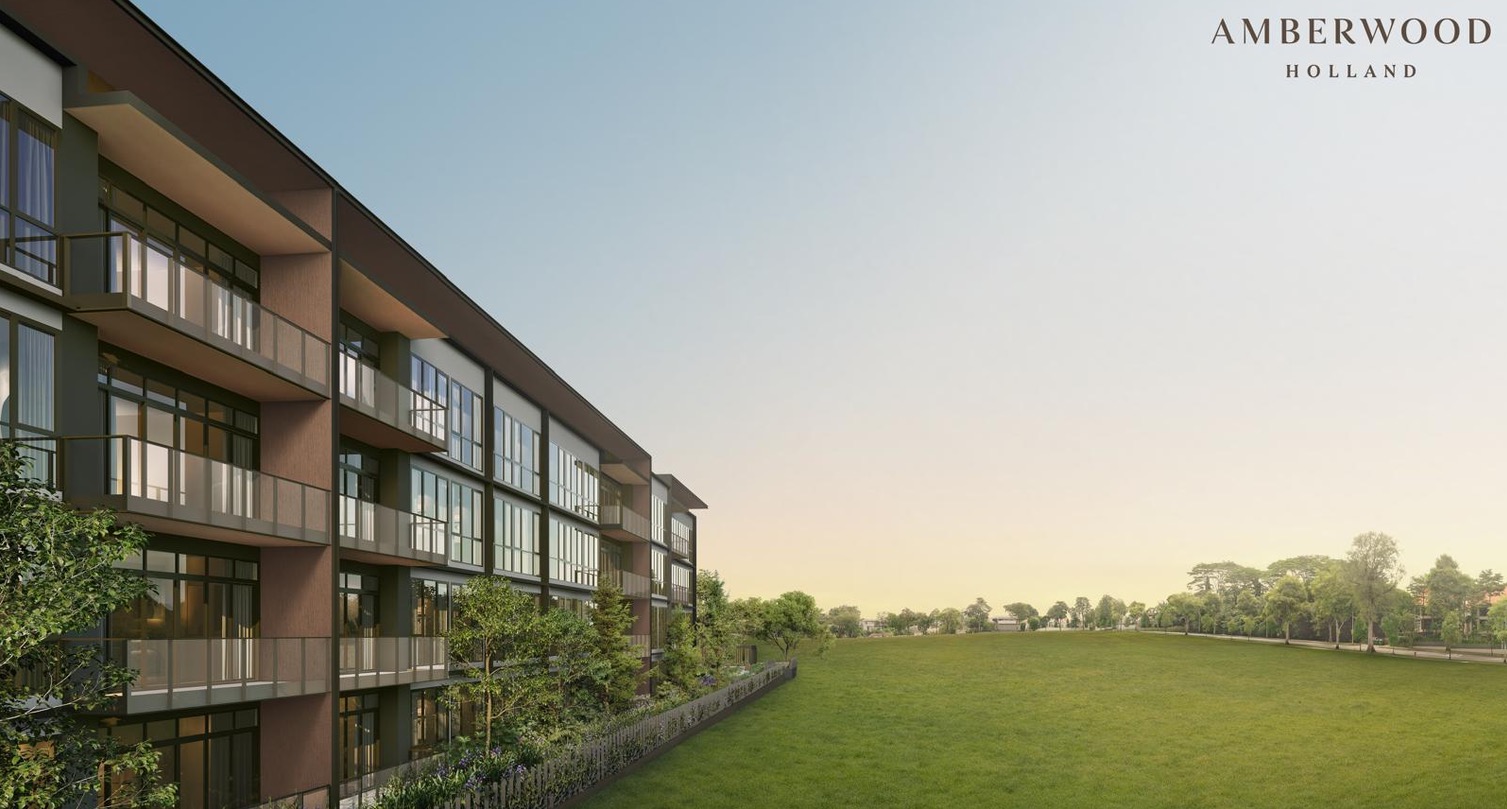
A premier example of low-density luxury embedded within a master-planned prime enclave is Amberwood at Holland. Situated along Holland Link in prime District 10, this development sits on a sprawling 185,000+ square foot site with a low plot ratio of 1.4, housing approximately 212 to 230 exclusive residences.
As the pioneering Government Land Sales (GLS) residential plot anchoring the upcoming Holland Plain precinct, it offers buyers an early-stage pricing equity advantage in a brand-new residential master plan.
Key attributes that bolster capital defense in this prime central enclave include:
- Surrounding Landed Exclusivity: Bounded by prestigious Good Class Bungalow (GCB) neighborhoods—including Brizay Park, Garlick Avenue, and Ewart Park—which permanently protect surrounding views and prevent high-density encroachment.
- Premier Educational Network: Located within close proximity to Singapore’s premier academic belt, including Methodist Girls’ School, Henry Park Primary School, and Nanyang Girls’ High School.
- Multi-Modal Connectivity: Seamless road connectivity via Bukit Timah Road and major expressways (PIE and AYE), alongside walking distance to King Albert Park MRT station—connecting residents to the Downtown Line and the future Cross Island Line.
Prime Market Insight: Properties in established CCR enclaves function as defensive safe-haven assets. Their low unit counts, prestigious school catchments, and limited land releases create a structural floor that protects capital values across economic cycles.
2. Regional Powerhouses: High-Efficiency Living in Decentralized Commercial Nodes
While prime central enclaves excel in wealth preservation and spatial tranquility, regional growth nodes deliver exceptional operational efficiency, high rental demand, and vibrant urban lifestyle integration.
By decentralizing commercial activity, the government has created self-contained economic ecosystems where residents live, work, and recreate within a single transit-linked neighborhood.
Anchoring the Western Gateway in Jurong Lake District
The crown jewel of Singapore’s decentralization initiative is the Jurong Lake District (JLD)—designated as the country’s largest commercial and business center outside the central core. Designed to host thousands of companies across technology, healthcare, and engineering, JLD generates a deep, continuous pool of corporate tenants and homebuyer demand.
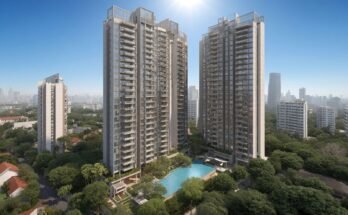
Capitalizing on this massive infrastructure shift is Lucerne Grand, a highly anticipated mixed-use development by City Developments Limited (CDL) located along Lakeside Drive in District 22. Positioned directly beside Lakeside MRT station on the East-West Line, this development features approximately 570 residential units sitting above an integrated ground-floor retail and commercial podium.
Key drivers powering growth and liquidity in regional mixed-use gateways include:
- Zero-Friction Commute: Direct, sheltered access to Lakeside MRT places residents just two stops from the Jurong East integrated transport hub (connecting the East-West, North-South, and upcoming Jurong Region Lines).
- Integrated Daily Amenities: On-site commercial space featuring retail shops, dining options, and a supermarket provides effortless day-to-day convenience right at the doorstep.
- Direct Access to National Nature Assets: Frontage onto the 90-hectare Jurong Lake Gardens—incorporating Lakeside Garden, Chinese Garden, and Japanese Garden—delivers an expansive green lifestyle rarely matched in urban developments.
Yield & Growth Insight: Integrated mixed-use developments located adjacent to major transport nodes and regional commercial centers generate strong corporate tenant demand, resulting in lower vacancy rates and solid gross rental returns.
3. Core Central Sophistication vs. Regional Commercial Hubs
When deciding where to allocate property capital in 2026, buyers must evaluate how each location framework serves their specific investment horizon and lifestyle requirements.
Key Strategic Distinctions
- Investment Mandate: Core central enclaves prioritize long-term asset preservation, equity growth, and generational wealth transfer. Regional commercial hubs focus on high tenant liquidity, strong monthly cash-flow yields, and infrastructure-led capital gains.
- Tenant Profile: Central luxury developments attract senior corporate executives, diplomats, and affluent families who prioritize spatial privacy and top-tier primary schools. Regional hubs attract tech professionals, medical specialists, and corporate directors working in decentralized business clusters.
- Lifestyle Experience: Prime enclaves offer quiet, low-rise residential settings surrounded by landed estates and green parks. Regional hubs offer high-energy, transit-connected environments where dining, shopping, and public transit intersect seamlessly.
4. How to Structure Your Real Estate Holdings for Maximum Resilience
To optimize a real estate portfolio across Singapore’s evolving multi-hub economy, consider these practical allocation strategies:
- Identify Your Primary Portfolio Objective: Determine whether your immediate priority is maximizing passive rental income to cover financing costs, or securing a finite, low-density asset for multi-generational wealth preservation.
- Capitalize on Pioneer Precinct Pricing: Look for new launch developments that represent the initial residential site in a newly designated master plan. Entering a precinct early captures built-in equity appreciation as future adjacent plots are tendered at higher land rates.
- Verify Transit and Lifestyle Integration: For regional growth investments, prioritize developments with direct, covered access to MRT stations and integrated commercial amenities, as these features drive consistent secondary market demand.
By understanding the distinct advantages of both prime core sanctuaries and transit-linked regional hubs, home buyers and investors can make informed decisions that deliver both immediate lifestyle satisfaction and long-term financial performance.