
Twenty years ago, the idea that a three-hour cricket match could become the most popular format in the world would have seemed absurd. Cricket was a game of five-day Tests and day-long one-day matches, played at a measured pace and followed by loyal but patient fans. Then came Twenty20, and everything changed. The short format, with its big hitting, its noise, and its colour, brought new audiences to the game, and the leagues that grew around it have reshaped cricket in ways that are still unfolding today.
The appeal of T20 is easy to understand. A match lasts about three hours, roughly the length of a film, and it is packed with action from the first ball to the last. Every over matters, every wicket changes the game, and the result is rarely certain until the final overs. For a new fan, that is far more welcoming than a five-day Test, where the story unfolds slowly and the rules can seem mysterious. T20 is cricket at its most accessible, and it has brought millions of new supporters to a sport that once struggled to reach them.
The leagues are where T20 has had its greatest impact. What began with one or two competitions has grown into a global calendar of leagues, each with its own stars, its own style, and its own following. Players now move between leagues around the world, playing in different countries through the year, and fans follow their favourites wherever they go. This global movement has raised standards everywhere, as young players learn from international stars, and as coaches and analysts share ideas across borders. The game has become more connected than ever before, and the leagues are the engine of that connection.

For players, the leagues have changed careers completely. A cricketer who once depended on a national contract and a handful of international matches can now build a career around league cricket, earning a good living and playing in front of large crowds year-round. This has given opportunities to players from smaller nations, who can now showcase their talent on a global stage and earn recognition that was once reserved for players from the major countries. It has also created a new kind of cricket star: the T20 specialist, whose skills are perfectly suited to the short format and who is in demand everywhere.
The leagues have also changed how the game is played. Batsmen have developed new shots, bowlers have invented new variations, and fielders have reached levels of athleticism that were unimaginable a generation ago. The pressure of the short format, where every ball counts, has forced players to innovate, and those innovations have spread to the longer formats too. Test cricket today is faster and more aggressive than it was twenty years ago, partly because players learned their attacking skills in T20. The short format has not replaced the long one. It has improved it, by teaching a new generation to play with freedom and imagination.
There are concerns, and honest fans should face them. The crowded calendar means players face impossible choices between leagues and national duty, and some worry that the sheer volume of T20 cricket dilutes its quality. There is a fear that young players will focus only on the short format, neglecting the skills that Test cricket demands. These are real worries, and cricket’s administrators must balance the calendar carefully, protecting the formats that give the game its depth while enjoying the energy and income that T20 brings. The game needs all of its formats, and each one must be given room to thrive.
The financial impact of the leagues cannot be ignored either. T20 leagues have brought new money into cricket, funding grassroots programmes, improving facilities, and paying players fairly. Broadcast deals, sponsorships, and ticket sales have grown enormously, and that money has reached far beyond the major nations. Smaller boards can now invest in their teams, women’s cricket has received vital funding, and the sport’s infrastructure has improved worldwide. For all the debates about the soul of the game, the leagues have made cricket richer, and that richness has benefited everyone who plays it.
Women’s cricket has been one of the great beneficiaries of the T20 revolution. Women’s leagues have grown rapidly, giving female players professional careers, large audiences, and the recognition they have long deserved. The quality of women’s cricket has risen sharply, and its stars are now household names in their own right. The short format, with its fast pace and excitement, has proved to be the perfect showcase for the women’s game, and its growth is one of the most positive stories in modern sport. The future of cricket is not just male, and T20 has helped make that clear.
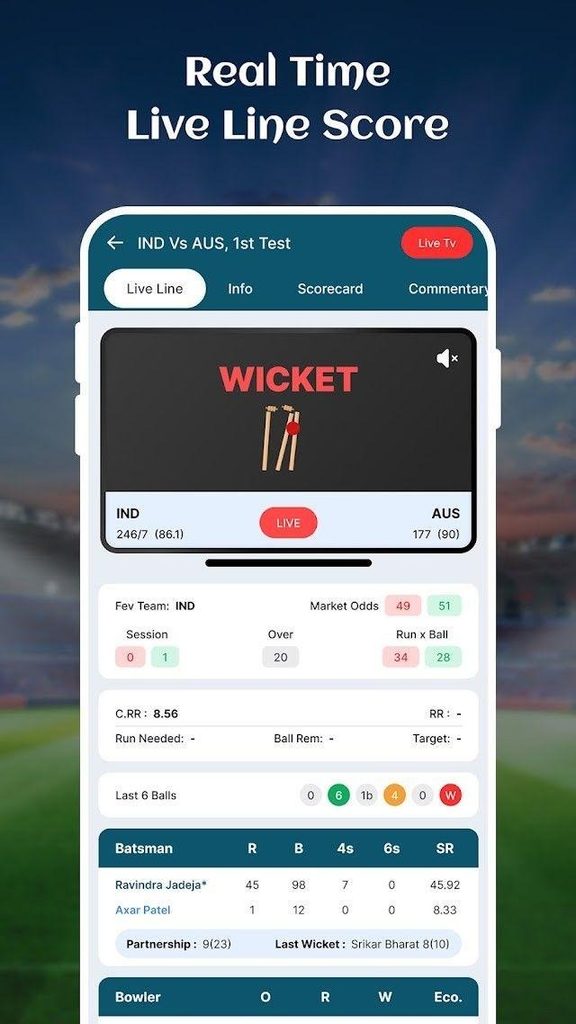
For fans, the rise of the leagues means there is almost always cricket to watch. A new tournament begins as another ends, and the calendar is full of matches, stories, and stars to follow. The challenge is keeping up with it all, knowing when the next big game starts and where to find it. A good place to follow the leagues, the fixtures, and the latest news is https://cricbuzz.co.uk, which covers the global game in detail. Checking the schedule there before a tournament begins is the best way to make sure you never miss a match that matters.

The rise of T20 leagues is not the end of cricket’s story. It is a new chapter, and it is still being written. The game has grown bigger, faster, and more global than anyone imagined, and it has done so without losing the qualities that made it special. The leagues have brought new fans, new stars, and new money, and they have made cricket a sport for everyone. The challenge now is to keep that growth going while protecting the traditions that give the game its heart. If cricket can do that, its future is bright indeed. Follow the leagues and the stories behind them at https://cricbuzz.co.uk, where the next chapter is covered every day.
Following domestic cricket as well as internationals gives you a much fuller picture of where the next stars are coming from. Statistics tell part of the story, but watching how a player handles pressure tells you far more about their character. Different formats ask different questions of players, and that variety is a large part of what keeps the game interesting. A rain delay or a slow session is part of the game too, and seasoned fans learn to enjoy the pauses as much as the action. Commentary and analysis have never been richer, and a good analyst can open up parts of the game you never noticed before. Young players now arrive with skills shaped by leagues around the world, and the global game is stronger for that exchange. The toss, the pitch, and the weather all shape a match before a ball is bowled, and reading those signs is a skill in itself. Test cricket still tests everything a player has, and its best days remain among the finest sights in world sport. Keep a notebook of players to watch, because following a young talent from debut to stardom is one of the great pleasures of fandom. The crowd, the atmosphere, and the shared tension of a close finish are what keep fans coming back season after season. Every era brings its own greats, and comparing them across generations is a debate that never truly ends. Above all, cricket is a game of stories, and each match adds another chapter worth remembering. Cricket rewards patience, and fans who follow the longer story of a match often enjoy it far more than those chasing only the score. A good cricket habit starts with knowing the fixtures, so you never miss the start of a series that matters to you. The modern game moves fast, yet its best moments still come from calm heads, careful plans, and steady execution under pressure. Following domestic cricket as well as internationals gives you a much fuller picture of where the next stars are coming from. Statistics tell part of the story, but watching how a player handles pressure tells you far more about their character. Different formats ask different questions of players, and that variety is a large part of what keeps the game interesting. A rain delay or a slow session is part of the game too, and seasoned fans learn to enjoy the pauses as much as the action. Commentary and analysis have never been richer, and a good analyst can open up parts of the game you never noticed before. Young players now arrive with skills shaped by leagues around the world, and the global game is stronger for that exchange. The toss, the pitch, and the weather all shape a match before a ball is bowled, and reading those signs is a skill in itself. Keep these ideas close as you work: patience, respect, curiosity, discipline, balance, timing, focus, tradition, insight, passion, loyalty, courage, calm, precision, teamwork, spirit.